

Cart
0


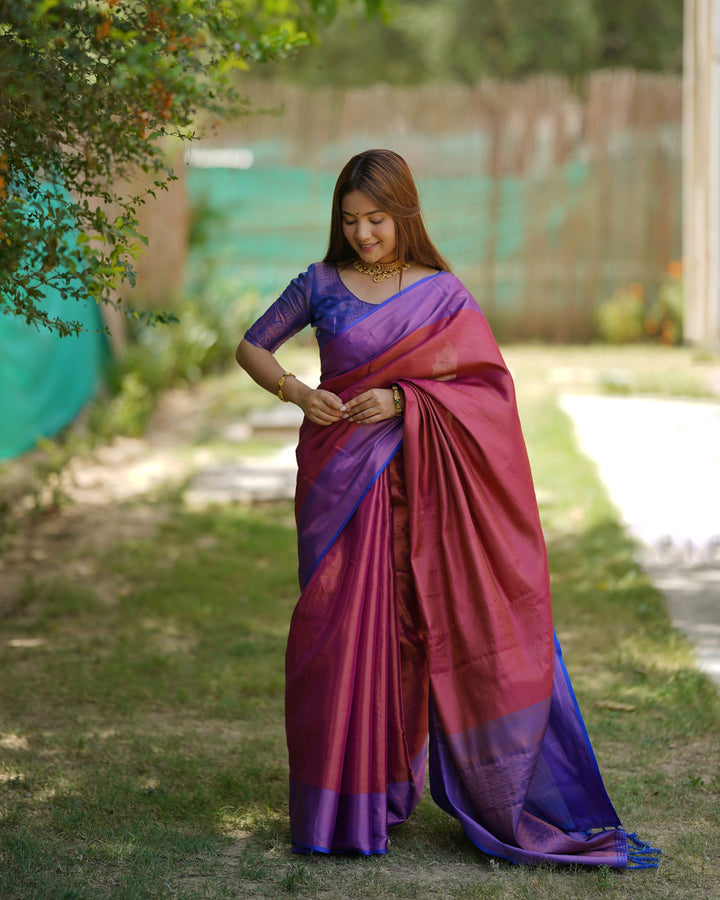
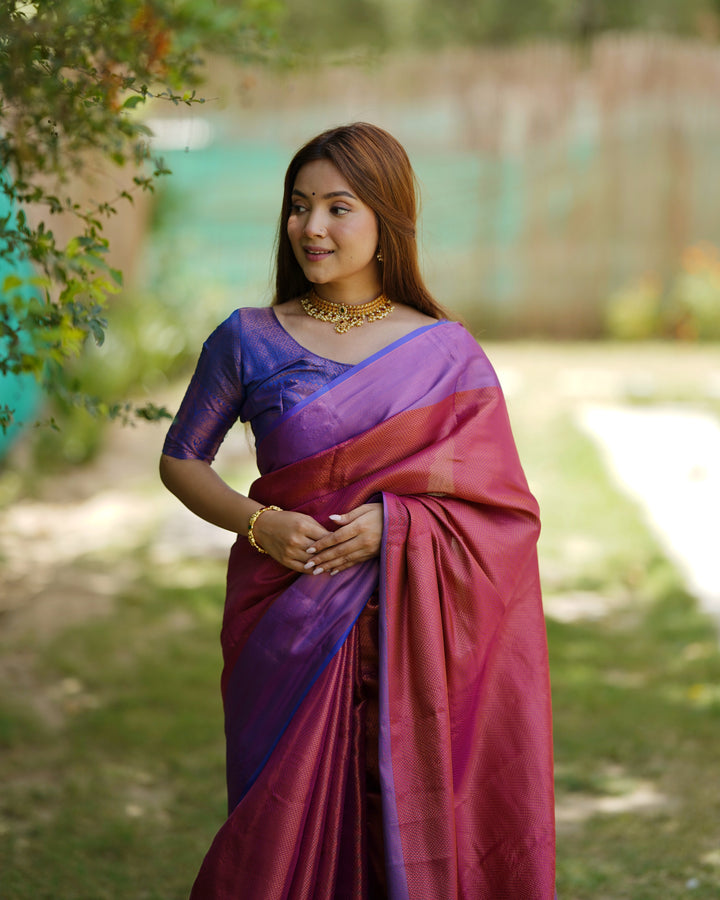


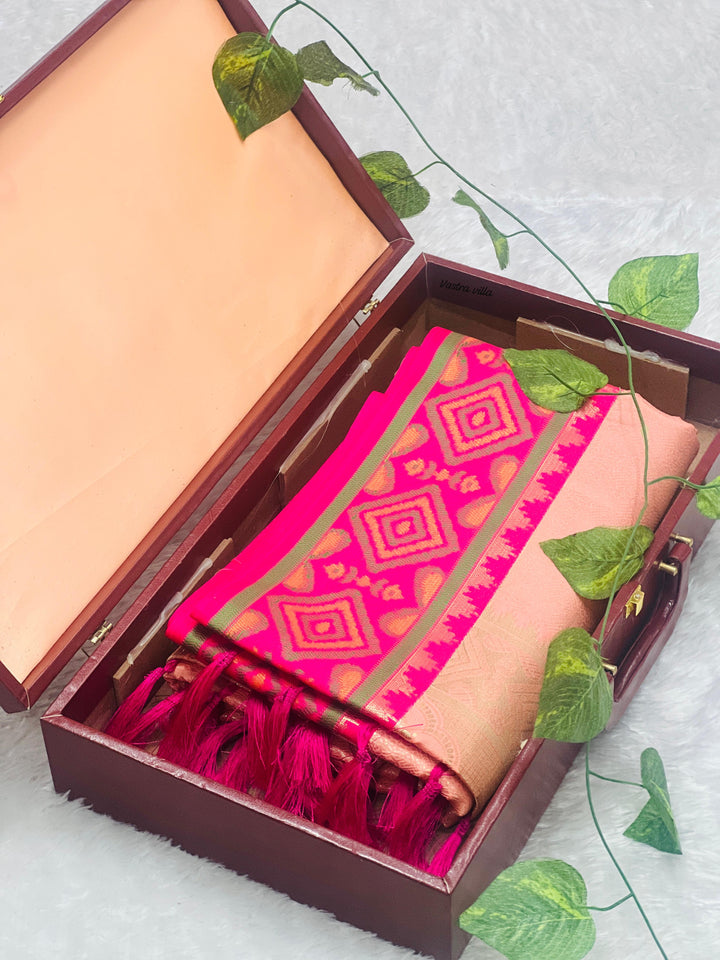


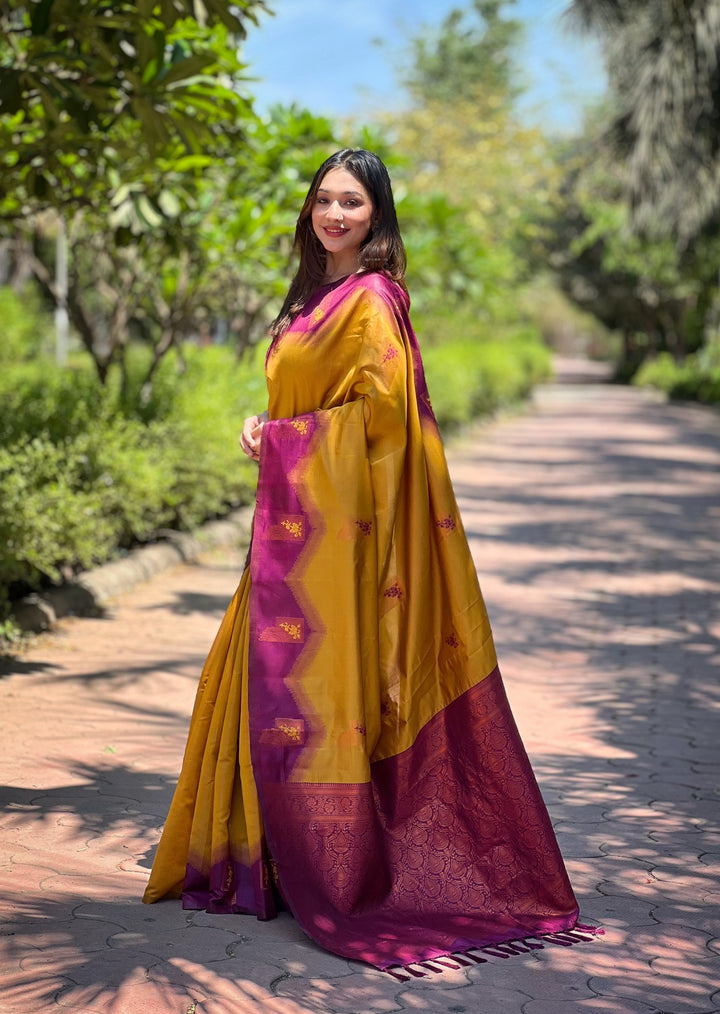
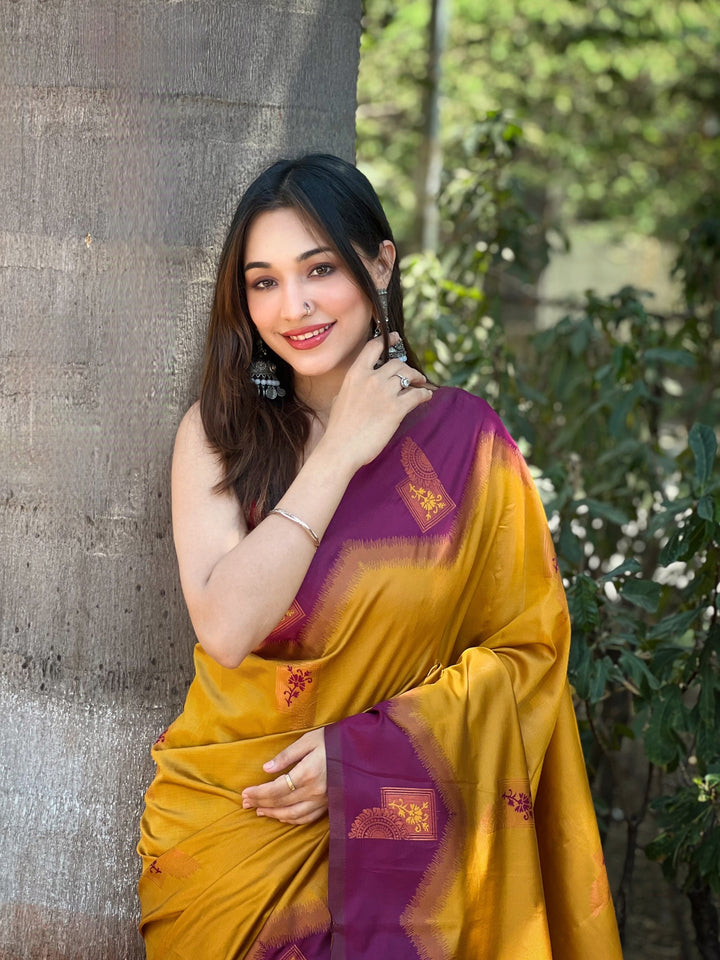


Everything You Need to Know Before Buying a Kanjivaram Silk Saree
A Kanjivaram saree is one of the most significant purchases in an Indian woman's wardrobe — especially if it is meant for a wedding or a milestone celebration. This guide will help you understand the different types available, tell authentic silk from imitation, and make a confident choice.
Types of Kanjivaram Silk Sarees
Not all Kanjivarams are the same. Understanding the varieties will help you pick the right one for your occasion and budget.
Pure Zari Kanjivaram — The finest category, woven with real silver-dipped-in-gold zari threads. These are the heaviest, most lustrous, and most sought after for bridal trousseaus. The zari has a soft, warm glow that synthetic threads cannot replicate.
Half Fine Zari Kanjivaram — Uses zari with a copper alloy base instead of pure silver. Slightly lighter on the pocket while retaining much of the traditional look. A practical choice for wedding guests and festive wear.
Contrast Border Kanjivaram — Features a body and border in two distinct colours, woven separately and interlocked on the loom. The colour contrast — such as a royal blue body with a maroon border — creates a striking visual effect that photographs beautifully.
Traditional Motif Kanjivaram — Showcases heritage patterns like mango (paisley), temple towers, peacocks, checks (kattam), stripes (varisai pettai), and mythological scenes. These motifs are passed down through weaver families and carry deep cultural significance.
Kanjivaram vs Other Silk Sarees — What Sets It Apart
Many buyers wonder how a Kanchipuram silk saree differs from other silk sarees like Banarasi, Mysore, or Tussar. The key distinction lies in the three-shuttle weaving technique and the korvai (interlock) method used to join the body and border. This makes Kanjivaram sarees far more durable — the border will never separate from the body, even after years of use. The silk used is also among the purest mulberry silk available, giving it a heavier drape and a distinctive natural sheen that lighter silks cannot match.
How to Identify an Authentic Kanjivaram Silk Saree
Genuine Kanchipuram sarees carry a few reliable markers. First, look for the Silk Mark hologram issued by the Silk Mark Organisation of India — this certifies the saree as pure silk. Second, check the border join: in an authentic piece, the body and border threads interlock neatly without any glue or stitching. Third, rub the fabric between your fingers — real silk has a warm, slightly textured feel, while polyester feels cool and overly smooth. Finally, pure zari will feel slightly rough to the touch and will not blacken quickly, unlike imitation zari which tarnishes within weeks.
Styling Your Kanjivaram Saree for Weddings and Festivals
For a South Indian bridal look, pair a rich red or maroon Kanjivaram with a matching blouse featuring heavy zari or stone work. Add a traditional temple jewellery set — a choker, jhumkas, and a vaddanam (waist belt) — for the complete bridal effect. For a wedding guest appearance, choose a contrast-border Kanjivaram in jewel tones and pair it with a simple elbow-length blouse and antique gold jewellery. For festivals, lighter shades with minimal zari and a contemporary blouse cut keep things comfortable yet elegant.
How to Care for Your Kanjivaram Silk Saree
Dry clean your Kanjivaram saree after each wear to preserve the silk and zari. Store it folded in a clean muslin or cotton cloth — never in plastic, as trapped moisture can damage both the silk and the metallic threads. Place neem leaves or silica gel sachets alongside the saree to prevent insect damage and dampness. Refold the saree along different lines every three to four months to avoid permanent creasing.
Why Buy Your Kanjivaram Saree From Us
Every Kanjivaram in our collection is sourced directly from weaver cooperatives and trusted artisan families in Kanchipuram. We personally verify each saree for silk purity, zari quality, weave consistency, and colour fastness before listing it. Our store offers secure online payments, fast pan-India shipping with tracking, protective packaging designed for heavy silks, and a straightforward return and exchange policy. What you see on your screen is exactly what arrives at your door.
Explore more from our handpicked collections: [Banarasi Silk Sarees],
Frequently Asked Questions
What is the price of a Kanjivaram silk saree in India?
The original Kanjivaram silk saree price in India ranges from approximately Rs 1,000 to Rs 10,000 or more. The price depends on factors like the purity of silk, type of zari used (pure gold zari vs half fine), density of weave, and intricacy of the design. Bridal pieces with heavy pure zari work are at the premium end.
How can I identify a pure Kanjivaram silk saree?
Check for the Silk Mark hologram, which certifies pure silk. Examine the border join — in a genuine Kanjivaram, the body and border are interlocked on the loom, not stitched or glued. Real silk feels warm and slightly textured, while synthetics feel cool and slippery. Pure zari has a subtle roughness and does not tarnish quickly.
Is a Kanjivaram saree good for bridal wear?
A Kanjivaram saree is considered one of the finest choices for bridal wear in India, especially in South Indian weddings. Its heavy silk drape, rich gold zari, and traditional temple borders carry deep auspicious significance. Many families consider it an essential part of the bridal trousseau across Tamil Nadu, Karnataka, Andhra Pradesh, and Kerala.
What is the difference between Kanjivaram and Kanchipuram saree?
There is no difference. Kanjivaram and Kanchipuram refer to the same saree. Kanchipuram is the name of the town in Tamil Nadu where these sarees are woven, while Kanjivaram is the anglicised version of the same name. Both terms are used interchangeably across India when referring to these traditional silk sarees.
How should I maintain my Kanjivaram silk saree?
Always dry clean your Kanjivaram saree to protect the silk fibres and zari. Store it in a breathable muslin or cotton cloth, away from direct sunlight and moisture. Avoid plastic bags as they trap humidity. Place neem leaves or silica sachets nearby to prevent insect damage. Refold the saree every few months to avoid permanent crease lines.
Can I wear a Kanjivaram saree for a North Indian wedding?
Absolutely. While Kanjivaram sarees are rooted in South Indian tradition, they are widely worn at North Indian weddings, receptions, and engagement ceremonies. The rich silk and gold zari complement the grandeur of any Indian wedding. Many North Indian brides now include a Kanjivaram in their trousseau as a statement piece alongside their lehenga.
Do you ship Kanjivaram sarees across India?
Yes, we ship across all major cities and pin codes in India. Every Kanjivaram saree is carefully folded, wrapped in protective tissue, and placed in secure packaging to ensure it arrives in pristine condition. We provide full tracking on all shipments and offer multiple payment options including UPI, cards, net banking, and cash on delivery at select locations.