

Cart
0

-


-


-

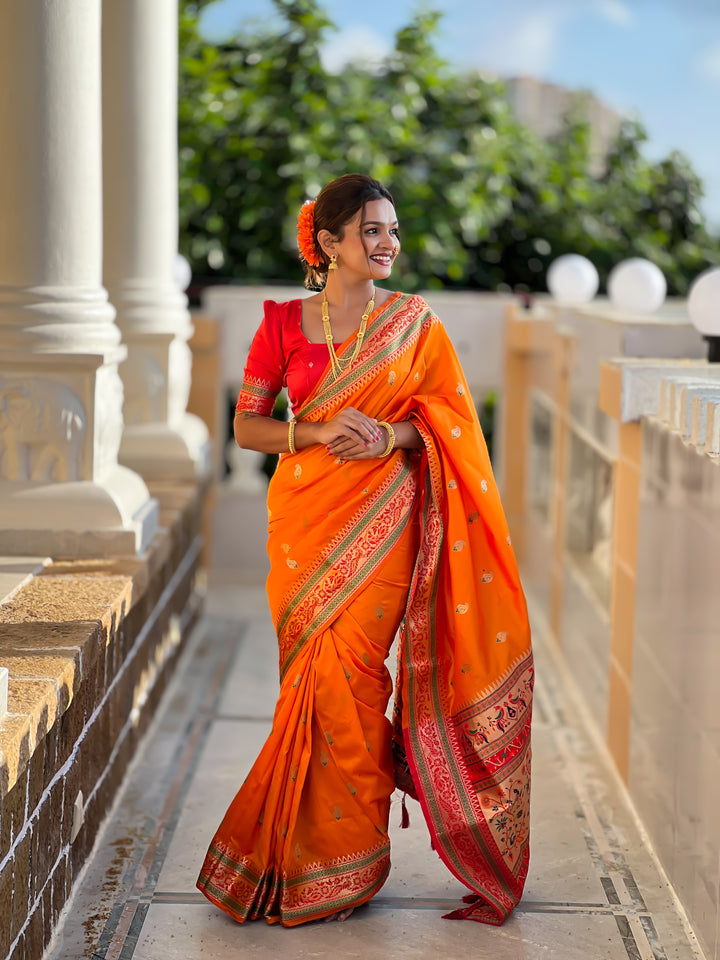
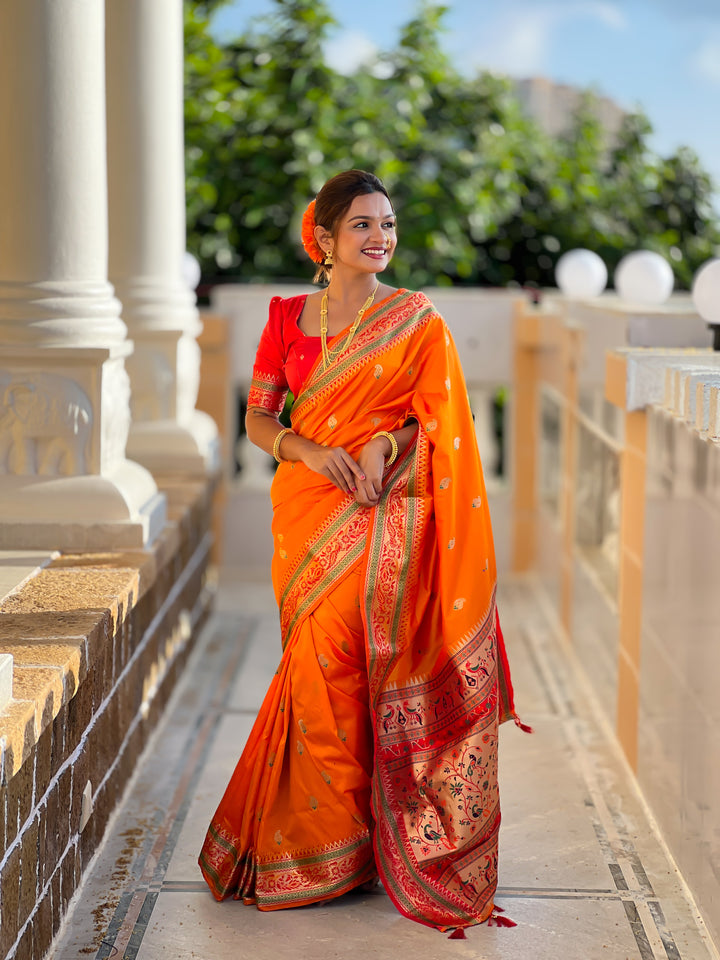
 ChicCholi Lime Green Color Paithani Silk Saree Traditional Printed Saree – Woven Zari ButiRegular price Rs. 3,508.83
 -

 ChicCholi Copper Gold Color Silk Blend Traditional Paithani Saree – Rich Zari Woven BodyRegular price Rs. 4,678.83
 -

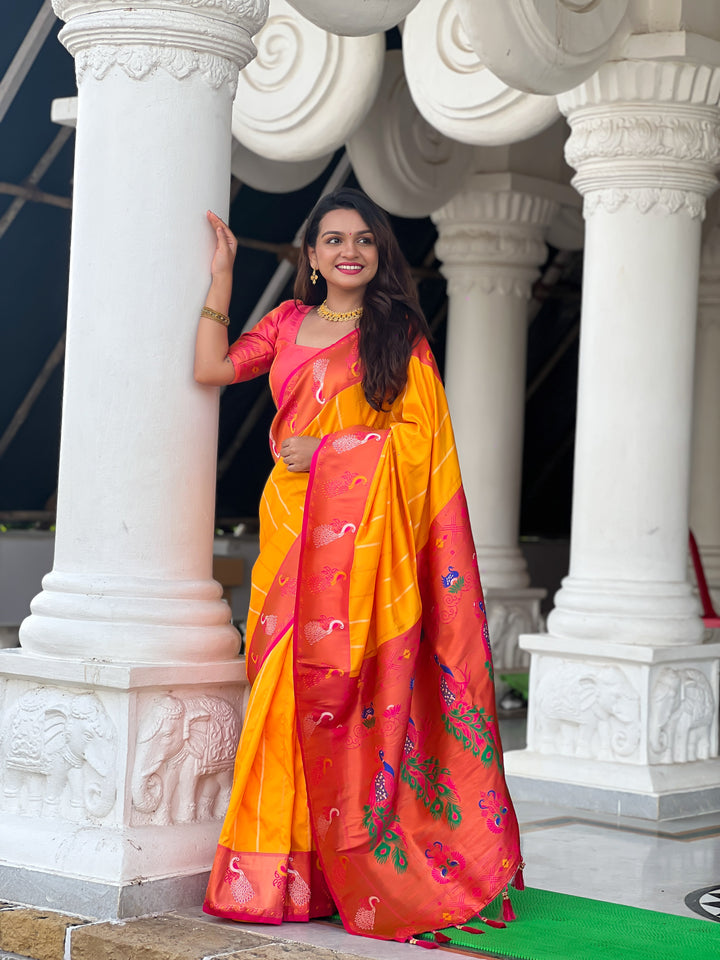
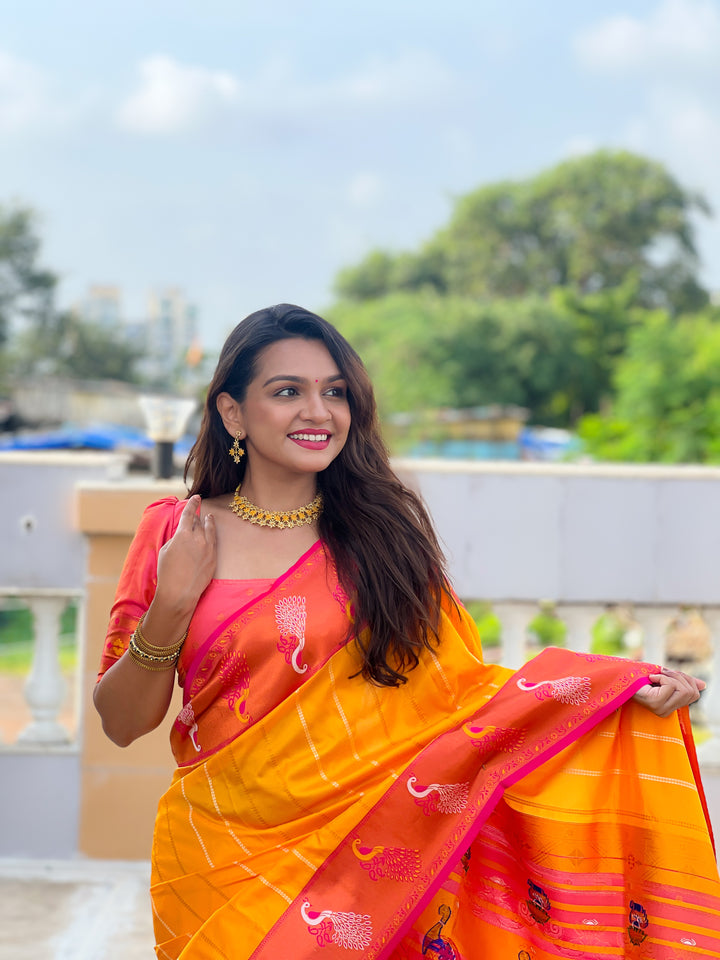
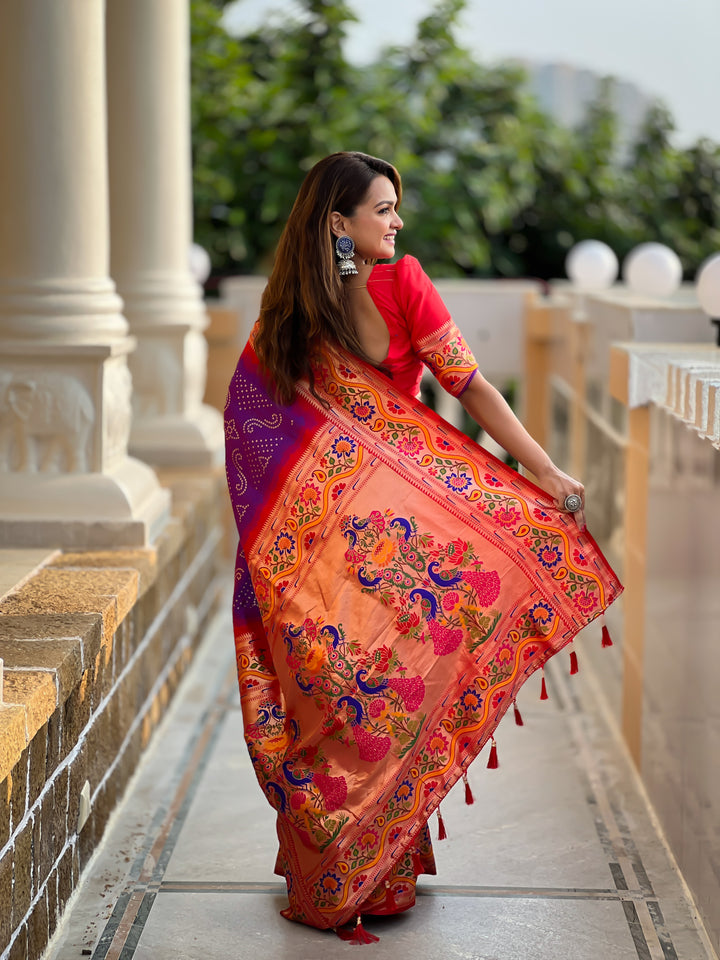
 ChicCholi Red, Peach Color Silk Blend / Art Silk Raditional Paithani Saree – Meenakari PeacockRegular price Rs. 4,678.83
 -
-


-


-


-


-


-
-


-


-


-


-

-


-


-


-


-


-


-


-


-


Complete Guide to Buying Paithani Silk Sarees Online
A Paithani is more than a saree — in Maharashtrian culture, it is an heirloom. It is given by mothers to daughters, worn at the most significant moments of a woman's life, and passed down through generations. Understanding the different types, recognising authentic weaving, and knowing how to care for this fabric will help you make a choice you will treasure for decades.
Types of Paithani Sarees
Paithani sarees are available in several varieties, each suited to different occasions and preferences.
Pure Silk Paithani (Yeola Paithani) — The most traditional and premium variety, handwoven in Yeola, Nashik district. Made with pure mulberry silk and real gold or silver zari. These are the heaviest and most lustrous Paithanis, meant for bridal trousseaus and milestone celebrations. A single piece can take months to complete on the loom.
Semi-Silk Paithani — Uses a blend of silk and cotton or silk and synthetic threads, making it lighter on the body and more accessible in price. A practical choice for festive wear, family functions, and occasions where you want the Paithani aesthetic without the full weight and investment of pure silk.
Bridal Heavy Zari Paithani — Features an exceptionally dense zari pallu and wide zari borders, often covering a significant portion of the saree. The increased gold or silver zari content makes it heavier but visually magnificent — designed specifically for Maharashtrian brides and grand wedding ceremonies.
Lightweight Festive Paithani — A thinner weave with moderate zari work, ideal for festivals like Makar Sankranti, Gudi Padwa, Navratri, and Ganesh Chaturthi. Comfortable for daylong wear while still carrying the unmistakable Paithani identity.
Kadiyal Border Paithani — Recognised by its distinct contrast border that is woven separately and interlocked with the saree body using the traditional kadiyal technique. The border will never separate from the body, even after years of use, making it a hallmark of durability and authentic craftsmanship.
Signature Features of an Authentic Paithani Saree
Every genuine Paithani carries a set of design elements rooted in centuries of tradition. The pallu is the centrepiece — typically adorned with peacock (mor) motifs, lotus (kamal) flowers, parrots (popat), or the iconic oblique square (narali) pattern. These motifs are not added after weaving; they are interlocked into the fabric on the loom using a tapestry technique that is unique to Paithani weaving. The body often features a single rich colour — purple, green, red, yellow, or magenta — with a contrasting border and pallu that create a striking visual frame. The interplay of silk and zari gives the saree a natural sheen that deepens with each wear.
How to Identify a Pure Paithani Silk Saree
Authenticating a Paithani requires attention to a few key details. First, examine the pallu motifs — in a genuine handwoven piece, the reverse side of the pallu will show a clean, mirror-image pattern with neatly tucked threads. Machine-made imitations will have loose, unfinished threads at the back. Second, check the border join — an authentic Paithani uses the kadiyal interlocking technique, meaning the border is woven into the body, not stitched or glued. Third, real zari has a slightly rough texture and a warm gold tone, while imitation zari feels smooth and has an artificial brightness. Finally, look for the handloom mark or GI tag that certifies the saree as a genuine handloom product from Maharashtra.
Styling Your Paithani Saree for Weddings and Festivals
For a traditional Maharashtrian bridal look, drape your Paithani in the nauvari (nine-yard) style or the seedha pallu drape with the pallu over the right shoulder. Pair it with a matching or contrasting silk blouse with zari or kundan work. Traditional Maharashtrian jewellery — a thushi necklace, mohan mala, nath (nose ring), and green glass bangles — completes the bridal ensemble. For wedding guest wear, choose a Paithani in jewel tones with a contemporary elbow-length blouse and gold temple jewellery. For festivals, lighter Paithanis in bright hues with minimal accessories keep the look celebratory yet comfortable. A pearl nath or a single statement necklace can add polish without excess.
How to Care for Your Paithani Silk Saree
A Paithani is meant to last generations, and proper care ensures it does. Always dry clean your Paithani saree — never machine wash or hand wash, as water and detergent can damage the silk fibres and tarnish the zari. Store it folded in a clean muslin or cotton cloth. Avoid plastic bags, which trap moisture and can cause the zari to oxidise. Place dried neem leaves or silica gel sachets alongside the saree to prevent insect damage and dampness. Refold along different lines every three to four months to prevent permanent creasing. If stored properly, a pure Paithani only grows more beautiful with age.
Why Buy Your Paithani Saree From Us
Every Paithani in our collection is sourced directly from handloom weaver cooperatives and artisan families in Yeola and Paithan. We personally verify each saree for silk purity, zari quality, weave integrity, and design authenticity before listing it in our store. When you buy an authentic Paithani saree online from us, you receive the saree with complete transparency about its origin and craftsmanship. Our store offers secure online payment, fast pan-India shipping with tracking, protective packaging built for heavy silk sarees, and a clear return and exchange policy. What reaches your hands is exactly what the weaver created on the loom.
Explore more from our collections: Banarasi Silk Sarees, Kanjivaram Silk Sarees
Frequently Asked Questions
What is the price of a Paithani silk saree in India?
The original Paithani saree price in India ranges from approximately Rs 500 for semi-silk varieties to Rs 5,000 or more for pure handwoven silk with heavy real gold zari. The price depends on factors like silk purity, type and density of zari, complexity of the pallu motifs, and the time taken to weave the saree on the handloom.
How can I identify a pure Paithani saree?
To identify a pure Paithani, check the reverse side of the pallu — genuine handwoven pieces will show a clean, mirror-image pattern with neatly interlocked threads. The border should be joined to the body using the kadiyal technique, not stitched or glued. Real zari feels slightly rough and holds a warm gold tone. Look for the handloom mark or GI certification tag.
Is a Paithani saree good for bridal wear?
A Paithani saree is considered the most auspicious and prestigious choice for a Maharashtrian bride. It holds deep cultural significance in wedding traditions across Maharashtra. The rich silk, heavy zari pallu, and iconic peacock or lotus motifs make it the centrepiece of a bridal trousseau. Many families also gift Paithanis during haldi, sangeet, and reception functions.
Why is a Paithani saree so expensive?
The cost of a Paithani reflects the extraordinary labour involved. Each saree is handwoven on a traditional loom by skilled artisans, and a single piece with intricate pallu motifs can take anywhere from one month to a full year to complete. The use of pure mulberry silk and real gold or silver zari threads adds further to the material cost. No two handwoven Paithanis are identical.
What is special about a Paithani saree?
The Paithani saree is one of the oldest handwoven textile traditions in India, dating back over two thousand years to the Satavahana dynasty. Its pallu motifs — peacocks, lotuses, and oblique squares — are not embroidered or printed but interlocked into the weave using a tapestry technique unique to this craft. It holds GI certification as a product of Maharashtra.
How should I maintain my Paithani silk saree?
Always dry clean your Paithani saree to protect the silk and zari. Store folded in breathable muslin or cotton cloth, never in plastic. Place neem leaves or silica gel sachets nearby to prevent insect damage and moisture. Refold every few months along different lines to avoid permanent creasing. Keep away from direct sunlight, perfumes, and chemical sprays.
Can I wear a Paithani saree for non-Maharashtrian weddings?
Absolutely. While the Paithani has deep roots in Maharashtrian culture, its rich silk, vibrant colours, and intricate zari work make it a stunning choice for any Indian wedding — North or South. Women across India now wear Paithanis for receptions, engagement ceremonies, and festive events. The saree transcends regional boundaries while retaining its distinctive heritage appeal.
Do you ship Paithani sarees across India?
Yes, we ship to all major cities and pin codes across India. Every Paithani saree is carefully folded in acid-free tissue, wrapped in soft muslin, and placed in secure packaging designed to protect heavy silk and zari during transit. Full tracking is provided on all shipments, and we offer multiple payment options including UPI, cards, net banking, and cash on delivery at select locations.